Spirits in the Palace: Demystifying the Supernatural Lore in K-Drama's Latest Hits
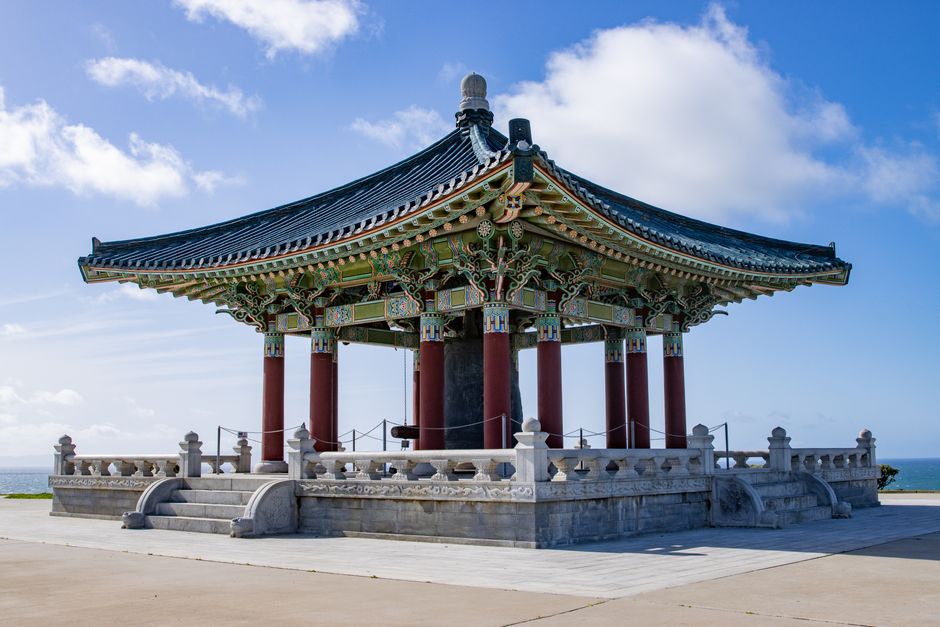
사진: Ira Bowman (Pexels)
Hey there, K-drama fam! If you’ve been keeping up with the latest buzz in the dramaland universe, you’ve probably noticed that our watchlists are getting a major supernatural upgrade. Recently, global media powerhouse Time Magazine took a deep dive into the mind-bending, supernatural ending of The East Palace (also known to many anticipation-list trackers as Donggung). When mainstream Western outlets start analyzing the lore of Korean fantasy historical dramas, you know we’ve reached a whole new level of global obsession. But what is it about these ghostly palace secrets that has international fans completely hooked?
For those of us who live and breathe K-dramas, the fusion of historical settings (known as sageuk) with supernatural elements isn't just a genre—it's an art form. Let’s break down the rich cultural context behind these spooky palace walls, decipher why these supernatural endings leave us speechless, and explore what makes Korean folklore so uniquely captivating to global audiences.
The Power of the 'Donggung': More Than Just a Palace
To fully appreciate dramas set in "The East Palace," we have to understand the historical weight of that very name. In traditional Korean dynasties, the Donggung (literally translating to "East Palace") was the designated residence of the Crown Prince. Because the sun rises in the east, the Crown Prince was seen as the rising sun of the kingdom, carrying the entire weight of the nation's future on his shoulders.
In K-drama land, turning this highly regulated, politically tense space into a playground for the supernatural is a stroke of genius. In traditional Korean beliefs, palaces weren't just home to royals; they were also hotbeds for spiritual energy. The strict Confucian hierarchy of the palace often suppressed deep human emotions, leading to tragic deaths, secret executions, and unresolved grudges. When you mix royal political backstabbing with restless spirits, you get a high-stakes thriller where the ghosts are often less terrifying than the living politicians vying for the throne.
The Cultural Soul: Shamanism, Han, and Jeong
Unlike Western supernatural stories that often rely on a simple good-versus-evil binary (think vampires vs. slayers), Korean supernatural dramas are built on a complex web of cultural emotions. If you want to truly understand why a supernatural ending feels so devastatingly beautiful, you need to understand two key Korean concepts: Han (한) and Jeong (정).
Han is a uniquely Korean concept describing a collective feeling of sadness, oppression, and unresolved grief. In Korean folklore, spirits (called gwishin) rarely haunt people just to be evil. They haunt because they have accumulated Han—perhaps they were wrongfully accused, died too young, or were betrayed by someone they trusted. The resolution of a Korean supernatural mystery almost always involves helping the spirit resolve their grief so they can peacefully cross over.
On the flip side, we have Jeong, which represents deep, unbreakable emotional bonds, love, and attachment. It is often Jeong that keeps these supernatural beings tied to the mortal world, refusing to leave their loved ones behind. When a drama's ending leans into these concepts, it transcends standard fantasy. We aren't just watching CGI magic; we are watching a profound exploration of love, grief, and justice that resonates deeply with viewers, regardless of where they live.
Why International Fans Can’t Get Enough
For international viewers raised on Western fantasy tropes, Korean supernatural sageuks offer a refreshing breath of fresh air. Instead of the typical witches and werewolves, we are introduced to Korean shamanism (Muism), traditional exorcists, grim reapers (Jeoseung Saja), and animal spirits like the nine-tailed fox (Gumiho).
Moreover, these dramas refuse to give us easy, cookie-cutter endings. As the global analysis of recent hits shows, K-dramas are famous for their bittersweet, open, or cyclical endings. They dare to ask hard questions: Can a mortal and a spirit truly find happiness? Is destiny something we can fight? While these endings sometimes leave us crying into our pillows at 2:00 AM, they also stick with us long after the credits roll, sparking endless fan theories and deep-dive articles across the globe.
As the line between local Korean storytelling and global entertainment continues to blur, we can definitely expect more spellbinding tales from the spooky side of the Joseon Dynasty. What did you think of the supernatural twists in your latest binge-watch? Let's chat in the comments below!
Source: Breaking Down the Supernatural Ending of The East Palace


