From Folk Beats to K-Pop Hits: How Jeju Island Blended Korea's Musical Past and Present

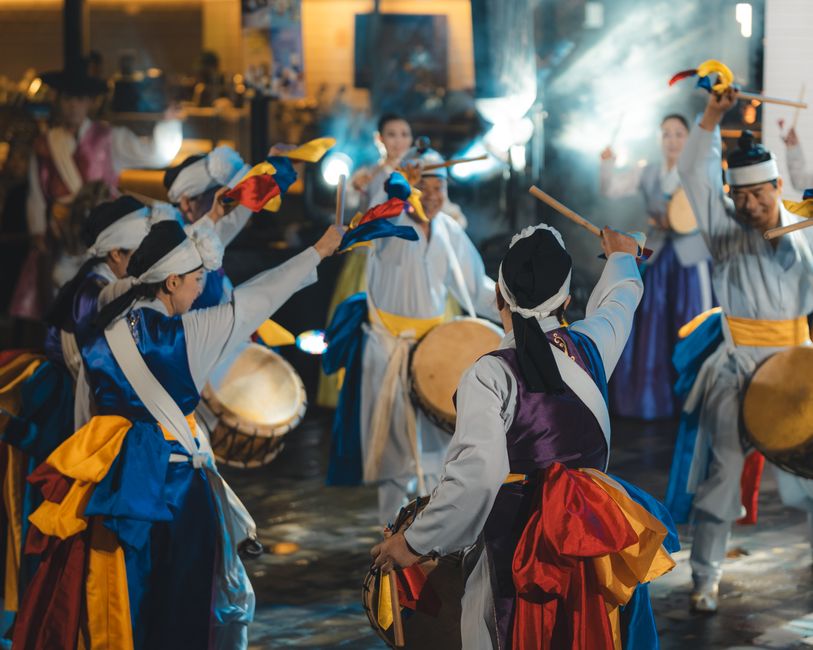
A Musical Bridge Across Time on Korea’s Favorite Island
If you are a fan of K-dramas, you probably already know Jeju Island as the ultimate dreamy getaway. With its volcanic beaches, lush green tea fields, and appearances in hit shows like Welcome to Samdal-ri and Our Blues, Jeju is practically synonymous with healing vibes. But recently, this paradise island became the stage for a mind-bending musical journey that connected Korea’s ancient soul with the high-octane energy of modern K-pop.
At a recent international wind ensemble festival held in Jeju, musicians from all over the world gathered to create a unified sound. While wind instrument festivals might sound traditional, the highlight that got everyone talking was a jaw-dropping encore performance titled "K-Pop Demon Hunters." This unique piece managed to do what many thought was impossible: seamlessly blending Korea's traditional folk music with the global phenomenon that is K-pop.

The Magic of "Milyang Arirang" Meets Modern Beats
To truly understand why this performance was so special, we have to talk about "Arirang." Often referred to as the unofficial national anthem of Korea, Arirang is a traditional folk song that has been sung for generations. There are many regional variations of the song, but the one featured in the performance—"Milyang Arirang"—is famous for its cheerful, energetic, and upbeat rhythm. Unlike other versions of Arirang that carry a bittersweet, sorrowful tone (known as han), the Milyang version makes you want to stand up and dance.
By transitioning "Milyang Arirang" into the epic brass-heavy arrangement of "K-Pop Demon Hunters," the orchestra created a musical time machine. International audience members got to experience how the driving, rhythmic DNA of traditional Korean music naturally flows into the powerful dance beats of modern K-pop. It was a vivid reminder that the infectious energy of BTS, Stray Kids, or ATEEZ didn't just appear out of nowhere—it is deeply rooted in Korea’s historical musical landscape.

Why the "Gukak-Pop" Fusion is Taking Over the World
This brilliant mashup in Jeju is part of a much larger, incredibly cool trend that K-pop fans have been loving for years: the fusion of Gukak (traditional Korean music) with mainstream pop and hip-hop.
Think about BTS's Suga (Agust D) using Daechwita (traditional military march music played by wind and percussion instruments) for his hit solo track. Or Stray Kids incorporating traditional drums and Korean folk aesthetics in "Thunderous." Even BLACKPINK hooked global fans instantly by introducing "Pink Venom" with the hypnotic, plucking sound of the geomungo (a traditional Korean string instrument).
When global wind instrumentalists in Jeju played this fusion live, it showed that Korean culture doesn't have to choose between preserving its heritage and embracing modern global trends. By combining the grand, booming sounds of Western brass instruments with the soulful, rhythmic structures of Korean folk music, they created a universal language that resonated with locals and international visitors alike.

Jeju Island: A Hub of Cultural Exchange
For international fans, this event highlights how Korea is constantly innovating its cultural tourism. Jeju Island is no longer just a place for scenic sightseeing; it is becoming a vibrant hub where East meets West, and where past traditions are constantly reinvented for the global stage.
If you are planning a trip to Korea, keeping an eye out for local festivals like Jeju's music events can give you a much deeper appreciation of the culture. Seeing the sheer joy on the faces of performers as they transitioned from ancient folk tunes to K-pop anthems proves that music really has no boundaries. It is a beautiful, loud, and proud celebration of what makes Korean culture so captivating today.
Source: [리뷰] 세계의 관악, 제주서 하나의 울림이 되다


