Purple Gold: How the Return of BTS is Shaking Up the US Economy
Welcome back, fellow K-culture enthusiasts! If you have been keeping your finger on the pulse of the global music scene, you already know that the world has been eagerly waiting for the return of the kings of K-pop. Yes, we are talking about BTS. While the members have been dutifully fulfilling their mandatory South Korean military services over the last couple of years, the anticipation for their full-group reunion has reached a fever pitch. And now, as the members gradually transition back to civilian life, the "BTS Effect" is hitting the United States with the force of an economic tidal wave.
For years, critics wondered if the global obsession with K-pop was just a passing trend. However, the massive economic boom triggered in the US by the mere whisper of BTS's return proves that this is far more than a fleeting craze. It is a full-blown cultural and economic phenomenon that is reshaping local industries miles away from Seoul.

Decoding "Borahaefication": When Cities Turn Purple
To understand why a BTS return causes such an economic stir in the US, we have to look at a unique cultural phenomenon known as "Borahaefication." For the uninitiated, the word comes from "Borahae" (보라해), a term coined by BTS member V (Taehyung) which translates to "I Purple You." In the fandom, purple represents trust, love, and long-lasting connection. Over the years, this color has transcended digital spaces to take over entire physical cities.
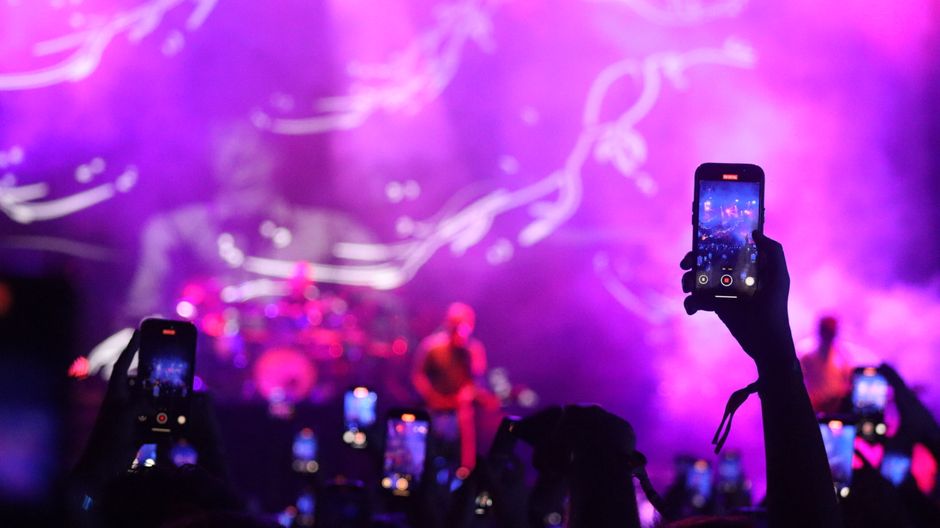
When BTS schedules major events or concerts in cities like Los Angeles, Las Vegas, or New York, these metropolitan areas undergo a purple makeover. Iconic landmarks light up in violet, local businesses offer themed menus, and hotels partner with entertainment agencies to provide exclusive fan packages. This isn't just about putting on a show; it is about creating an immersive, city-wide festival. For international fans traveling to the US, these events become a pilgrimage, turning a standard concert trip into a multi-day vacation filled with shopping, dining, and sightseeing.
The Mighty Wallet of the Global ARMY
The economic impact of this fandom is staggering. When BTS moves, the hospitality and tourism sectors experience what is often compared to a "Super Bowl effect." Hotels near venue locations report near-perfect occupancy rates, flights to host cities see a massive surge in bookings, and local public transit systems prepare for unprecedented crowds.
But the spending does not stop at hotel rooms and concert tickets. Local Korean businesses—particularly restaurants, K-pop merchandise shops, and Asian supermarkets—see a massive influx of customers. For many international fans, attending a BTS event is also an opportunity to experience Korean culture firsthand. Restaurants serving authentic Korean dishes like tteokbokki (spicy rice cakes), Korean fried chicken, and bibimbap see queues wrapping around the block. In essence, BTS acts as the ultimate cultural ambassadors, driving curious consumers straight into the arms of local Korean-American businesses and boosting the local economy in the process.

Why This Matters for the Future of K-Culture
So, why is this US economic boom such a big deal for the broader world of K-culture? First and foremost, it solidifies K-pop’s position as a permanent fixture in the global entertainment industry, rather than a niche subculture. The sheer financial power generated by the group’s activities proves to western sponsors, venue operators, and city planners that investing in K-pop events is highly lucrative.
Furthermore, this economic success stories pave the way for other K-pop groups, K-dramas, and Korean brands to find solid footing in the Western market. When American cities see the massive revenue generated by Korean cultural events, they become incredibly welcoming to future cultural exports. It creates a beautiful cycle of cultural exchange and mutual economic benefit.
As we march closer to the highly anticipated full-group return of BTS, the world is watching. If the early ripples of their return are already sparking economic booms across the ocean, we can only imagine the beautiful, purple-tinted storm that will arrive when all seven members are officially back on stage together. Get your lightsticks ready, because the purple wave is just getting started!
Source: BTS are back: return of K-pop superstars sparks US economic boom