Real Girls in a Virtual World: What aespa’s Lollapalooza Era Tells Us About the Reality of K-Pop

When aespa debuted under SM Entertainment in late 2020, they introduced a concept that baffled and intrigued the music world in equal measure. Alongside the four human members—Karina, Giselle, Winter, and Ningning—came their virtual, AI counterparts, known as "ae" avatars. They sang about "Kwangya" (a fictional digital wilderness) and battled a villain named Black Mamba. For many casual Western observers, it felt like the ultimate realization of the stereotype that K-pop is overly manufactured, digital, and detached from human reality.
Fast forward to their landmark performance at Lollapalooza, and that narrative has been completely flipped on its head. Stepping onto the stage in Chicago, performing with a roaring live band, and interacting directly with tens of thousands of fans, aespa proved that beneath the high-concept sci-fi lore lies a group of incredibly resilient, fiercely talented young women. Their journey from digital avatars to live festival rockstars highlights a fascinating evolution in the reality of modern K-pop idoldom.

Shattering the "Perfect" Mold on the Festival Stage
Historically, Western music festivals like Coachella and Lollapalooza were seen as the exclusive domain of indie rock, hip-hop, and electronic artists. K-pop, with its highly synchronized choreography and heavy reliance on pristine television broadcasts, was rarely considered a fit for these raw, unpredictable outdoor stages. However, the tide has turned dramatically.
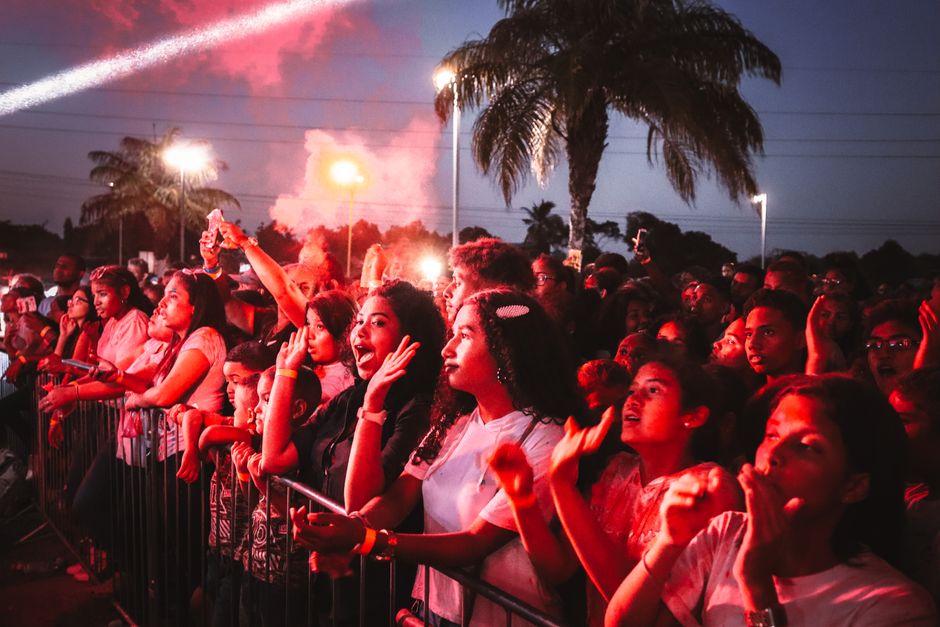
For a K-pop group, performing at a major Western festival is the ultimate test of live capability. There are no flattering camera angles controlled by a broadcast director, no pre-recorded vocals to hide behind, and the crowd isn't just made up of loyal, pre-packaged fandoms—it includes curious onlookers who are ready to judge. When aespa commanded the Lollapalooza stage, they weren't just executing choreography; they were feeding off the crowd's energy, dealing with the summer heat, and delivering raw, live vocals. It was a powerful reminder that while their concept is virtual, their talent is entirely human.
The Sweet and Sour Reality of K-Pop Idoldom
To truly understand why aespa’s current era matters, one must look at the unique pressure cooker of the Korean entertainment industry. In Korea, the journey to becoming an "idol" begins years before debut. Young hopefuls enter the "trainee" system (known as yeonseopseang), enduring grueling schedules of dance, vocal, and foreign language training, often while balancing school. This culture demands perfection, emotional control, and a flawless public image.
The transition from a highly controlled studio environment to the chaotic freedom of global touring is both liberating and exhausting. In tracks like "Lemonade" and their recent sassy, boundary-pushing releases, aespa captures this duality. "Lemonade" serves as a perfect metaphor: when life throws sour, intense pressure and cyber-bullying at you, you turn it into something sweet, refreshing, and entirely your own. Instead of acting like untouchable, perfect dolls, the members have increasingly shown their real personalities—complete with fatigue, humor, and a shared sisterhood that can only be forged through shared hardships.

Why the "Raw" aespa Matters to International Fans
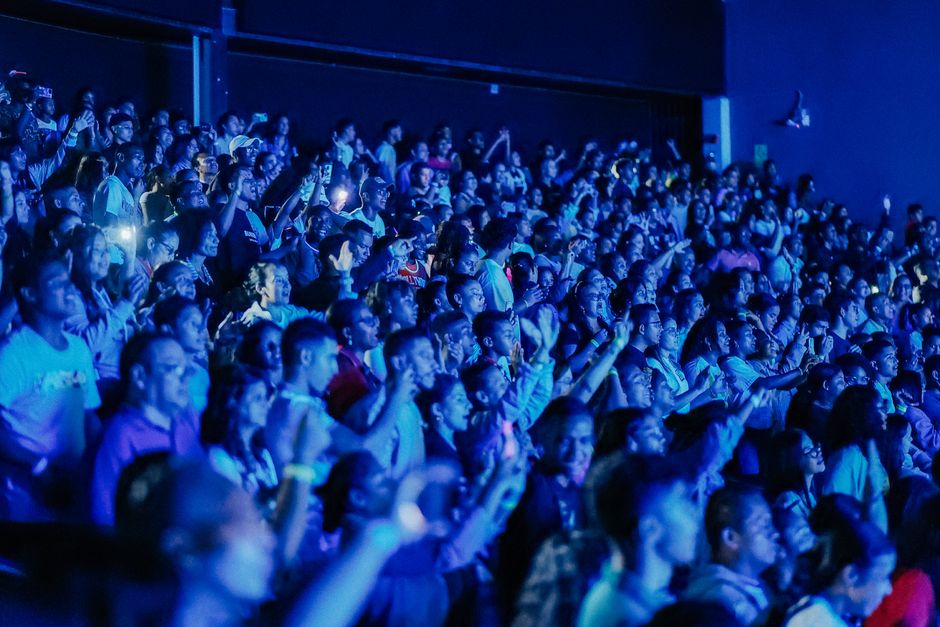
For international fans, the appeal of K-pop has shifted significantly over the last decade. While the dazzling music videos and perfect dances initially draw people in, it is the humanity of the artists that keeps them hooked. Seeing aespa sweat, laugh at their own mistakes on stage, and belt out high notes with a live band creates a bridge of empathy that no virtual avatar could ever replicate.
By embracing the chaotic, exhausting, yet exhilarating reality of live performances, aespa is helping to redefine what it means to be a K-pop idol in the global era. They are showing that you can have a complex, futuristic concept while still remaining grounded, authentic, and deeply connected to your audience. As they continue to conquer global stages, aespa is proving that the real magic of K-pop doesn't live in the metaverse—it lives in the sweat, tears, and triumphant smiles of the girls on stage.
Source: