Beyond The Scandal: Why Korean Cinema Mastered the Art of High-Stakes Seduction
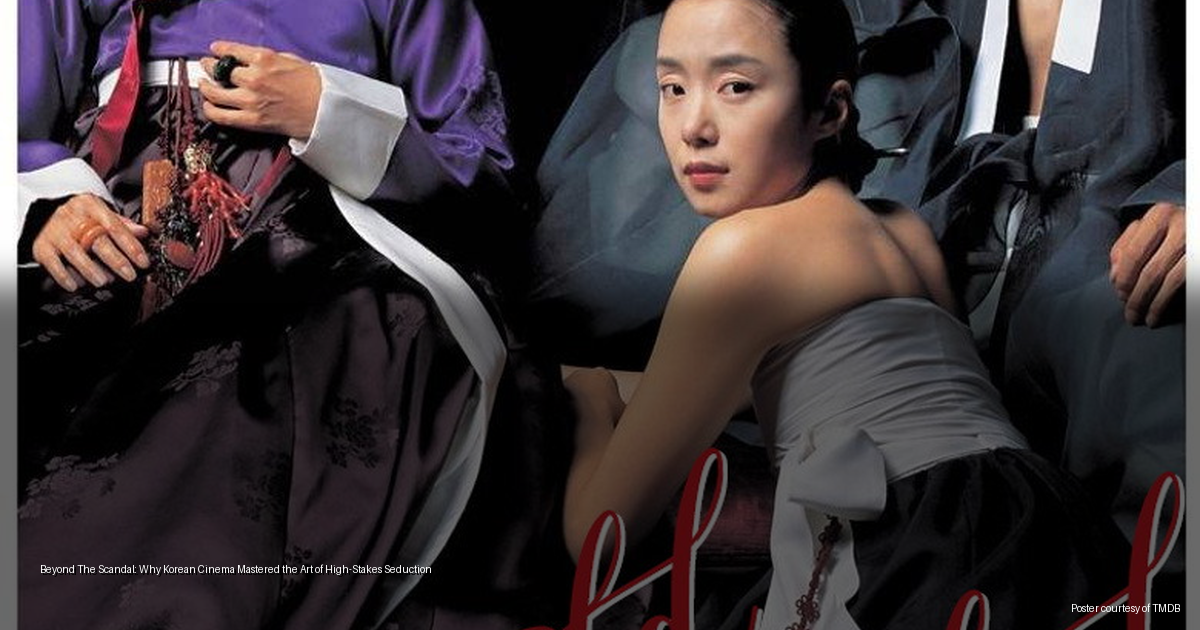
If you are captivated by the intricate mind games and high-stakes seduction of classics like 'Dangerous Liaisons' and its Korean period adaptation 'The Scandal' (Untold Scandal), Korean cinema offers a treasure trove of psychological thrillers that elevate the art of the romantic con to a whole new level.

The Art of the Seductive Thriller in Korean Cinema
For decades, international audiences have been fascinated by stories of emotional manipulation, secret wagers, and forbidden desires. Pierre Choderlos de Laclos’s classic 1782 French novel, Dangerous Liaisons, has been adapted globally across various cultures, most notably in Korea as the highly acclaimed film Untold Scandal (often referred to simply as The Scandal). What makes these narratives so compelling when translated to a Korean cultural canvas is the rich historical backdrop of rigid social hierarchies, intense family honor, and hidden passions.
In traditional Korean storytelling, particularly during the Jos eon Dynasty or the colonial era, the stakes of social reputation were incredibly high. A single rumor could destroy a noble family's legacy. When filmmakers introduce elements of seductive bets and psychological warfare into these conservative settings, the narrative tension skyrockets. This unique blend of historical repression and raw human desire has paved the way for some of the most critically acclaimed psychological thrillers in modern cinema.

Spotlight on Park Chan-wook’s Masterpiece: The Handmaiden
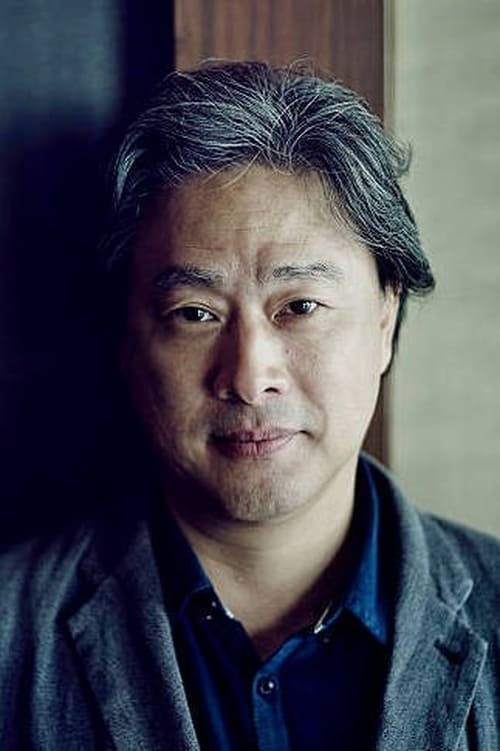
If you are looking for the ultimate modern successor to this genre of high-stakes scheming, look no further than the 2016 erotic historical psychological thriller The Handmaiden (Korean: 아가씨; RR: Agassi). Directed, co-written, and co-produced by the legendary visionary Park Chan-wook, this cinematic triumph stars a stellar cast including Kim Min-hee, Kim Tae-ri, Ha Jung-woo, and Cho Jin-woong. The film showcases a brilliant masterclass in deception, where nothing and no one is quite as they seem.
The film is loosely based on the 2002 Victorian-era novel Fingersmith by Welsh author Sarah Waters. However, Park Chan-wook brilliantly shifts the setting from Victorian Britain to Korea under Japanese colonial rule in the 1930s. In this tense political and cultural atmosphere, a young Korean female thief (played by Kim Tae-ri) is hired as a handmaiden to a wealthy Japanese heiress (played by Kim Min-hee), who lives a highly secluded, restricted life on a grand countryside estate. Little does the heiress know, the handmaiden is actually part of an elaborate plot orchestrated by a charming Korean con man posing as a Japanese count (Ha Jung-woo) to institutionalize her and steal her vast inheritance.
Upon its debut, The Handmaiden was selected to compete for the prestigious Palme d'Or at the 2016 Cannes Film Festival. Released in South Korea on June 1, 2016, the movie received widespread critical acclaim for its intricate directing, sharp writing, unexpected plot twists, stunning cinematography, haunting musical score, and unforgettable cast performances. It went on to gross over US$38 million worldwide and earned the coveted award for Best Film Not in the English Language at the 71st British Academy Film Awards (BAFTA).
How Korean Filmmaking Perfects the Romantic Con
Comparing the character arcs of The Handmaiden to those in the original Fingersmith novel, I found that the Korean adaptation significantly heightens the psychological warfare between the leads, shifting the focus from a simple heist to an intricate, layered dance of mutual seduction. This adjustment highlights how Korean cinema consistently prioritizes deep character development and emotional complexity over generic plot progression. The characters are never purely evil or purely innocent; instead, they are driven by survival, desire, and the desperate need for agency in a world that seeks to control them.
Several key artistic elements make these Korean psychological and romantic thrillers stand out on the global stage:
- Lavish Period Production Design: The meticulous attention to detail in traditional hanbok, European-Japanese hybrid architecture, and period-accurate props elevates the visual storytelling.
- Intricate Class and Power Dynamics: The narratives constantly play with the power struggle between master and servant, wealthy elite and impoverished hustler.
- Multi-layered Plot Twists: Rather than relying on a single shocking reveal, these films carefully peel back layers of truth, showing the same events from multiple characters' perspectives.
- Subversive Romantic Arcs: Seduction is used as a weapon, but the emotional lines quickly blur, leading to unexpected alliances and deep psychological transformations.

Why This Genre Continues to Captivate Global Audiences
For international fans, diving into Korean period thrillers provides more than just thrilling entertainment; it offers a fascinating window into historical subcultures. The intersection of different languages, cultural expectations, and political struggles adds a rich layer of complexity that is rarely found in Western equivalents. When watching these characters navigate their dangerous games, you are not just watching a romance—you are witnessing a rebellion against the societal constraints of their eras.
Whether you are a longtime fan of K-dramas or a cinephile looking to expand your horizons beyond mainstream Hollywood, the legacy of films like The Scandal and The Handmaiden proves that the themes of obsession, manipulation, and passion are truly universal. Their continued popularity worldwide shows that a well-crafted game of seduction never goes out of style.

Quick FAQ
Q. Is 'The Handmaiden' based on 'Dangerous Liaisons'?
A. No, *The Handmaiden* is actually a loose adaptation of Sarah Waters' 2002 novel *Finger smith*, which is set in Victorian Britain. However, it shares the same dark, seductive, and manipulative themes as *Dangerous Liaisons* and its Jos eon-era Korean adaptation, *Untold Scandal*.
Q. Where was 'The Handmaiden' recognized internationally?
A. The film competed for the Palme d'Or at the 2016 Cannes Film Festival and won the award for Best Film Not in the English Language at the 71st British Academy Film Awards (BAFTA). It grossed over US$38 million worldwide and is widely considered a modern cinematic masterpiece.
Q. Who directed 'The Handmaiden' and who are the main stars?
A. The film was directed, co-written, and co-produced by the acclaimed director Park Chan-wook. It stars Kim Minutes as the Japanese heiress, Kim Teri as the handmaiden, Ha Jung-woo as the scheming count, and CHO Jin Yong as the uncle.
Source: Love ‘The Scandal’? 10 Korean shows and movies to watch if you love ‘Dangerous Liaisons’
This product uses the TMDB API but is not endorsed or certified by TMDB.


