Beyond the Trend: What BTS’ Historic SoFi Stadium Run Means for the Future of K-Pop

BTS taking over LA's massive SoFi Stadium isn't just a historic milestone for the band and ARMY; it is the ultimate litmus test proving K-pop has transitioned from a passing global trend into a permanent pillar of mainstream music culture.

The Monumental Scale of the SoFi Stadium Run
When we talk about stadium tours in the United States, we are talking about the absolute peak of live music entertainment. SoFi Stadium, located in Inglewood, California, is one of the most technologically advanced and expensive stadium venues in the world. For any artist, booking even a single night at a venue of this scale is a massive risk and a testament to their drawing power. For a Korean-language group to command multiple nights at such an arena is a phenomenon that has forced the Western music industry to completely rewrite its playbook.
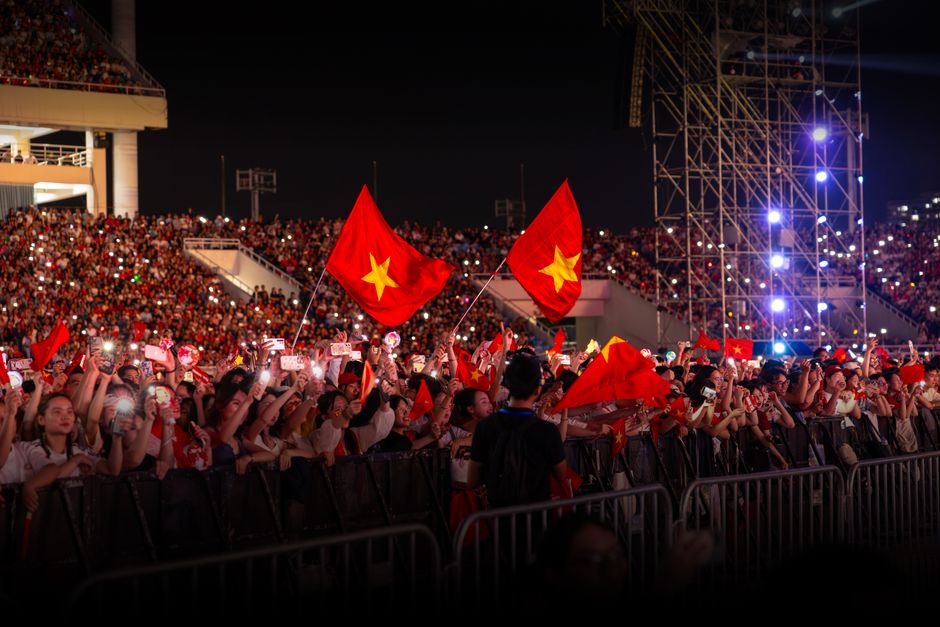
This run is much more than a series of concerts; it is a physical manifestation of K-pop's massive footprint. Fans from all over the world—spanning different ages, backgrounds, and languages—have descended upon Los Angeles, turning the entire metropolitan area into a temporary festival hub. The sheer logistics of hosting hundreds of thousands of fans over several days highlight the immense economic and social power that Korean artists now wield on American soil.

Testing the Limits of "Cultural Penetration"
For years, skeptics in the Western music industry dismissed K-pop as a bubble that would eventually burst. They categorized it alongside historical novelty crazes, predicting that once the initial excitement faded, audiences would move on. However, BTS’ ability to consistently sell out American stadiums years into their global superstardom suggests a much deeper level of cultural integration. It is no longer just about catchy hooks or synchronized choreography; it is about a deeply felt connection to the artists and the community they have built.
This enduring success points to what cultural theorists call "lasting cultural penetration." K-pop has successfully established its own infrastructure within the global music landscape. International fans are no longer just passive consumers; they are active participants who shape media trends, drive streaming numbers, and influence local economies. Here are a few ways this cultural shift is manifesting during the SoFi Stadium run:
- Economic Transformation: Local hotels, restaurants, and public transit systems experience a massive surge in demand, proving that K-pop tourism is a viable economic driver.
- Cross-Generational Appeal: The crowds at these shows demonstrate that the fandom has matured, drawing in diverse demographics far beyond the stereotypical teenage fanbase.
- Breaking Language Barriers: Tens of thousands of non-Korean speakers singing along to Korean lyrics in unison inside a premier American sports arena shows a level of linguistic and cultural appreciation rarely seen in modern music.

Why This Matters to the Global Fan Community
As international fans, watching this historic run unfold feels incredibly validating. For a long time, loving K-pop outside of Asia meant navigating a lack of accessibility, dismissive attitudes from local media, and limited opportunities to see these artists perform live. The scale of the SoFi Stadium shows proves that our passion is part of a massive, globally respected movement. It sends a clear message to major media outlets and award shows that K-pop is not a subgenre to be sidelined, but a dominant force that defines the modern musical era.
Furthermore, the success of this run paves the way for the entire Korean entertainment industry. When one group breaks through a ceiling of this height, they open the doors for other K-pop acts, K-dramas, and Korean films to be taken seriously on the global stage. It establishes a precedent that non-English art can achieve the highest levels of commercial and critical success in the West without having to conform to traditional Western standards.
Quick FAQ
Q. Why is the SoFi Stadium run considered a "test" for K-pop?
A. It serves as a test because it measures whether K-pop can sustain stadium-level demand over multiple nights in a major Western market. Sustaining this level of success proves that the genre's popularity is a permanent cultural shift rather than a temporary trend.
Q. How does this impact other Korean artists?
A. Success at this scale normalizes Korean-language music in mainstream Western venues. It makes venue promoters, sponsors, and media companies more willing to invest in and host other K-pop acts, making global tours more accessible for the entire industry.
Q. What makes SoFi Stadium different from other concert venues?
A. SoFi Stadium is one of the newest and largest premier sports and entertainment venues in the United States. Selling out multiple dates here is a feat usually reserved for the absolute top tier of global music icons, representing the pinnacle of live performance success.
Source: BTS’ run at SoFi Stadium is a test of K-pop’s lasting cultural penetration

This product uses the TMDB API but is not endorsed or certified by TMDB.


