From Fangirl to Female Lead: Why K-Dramas About K-Pop Stans Are Winning Our Hearts
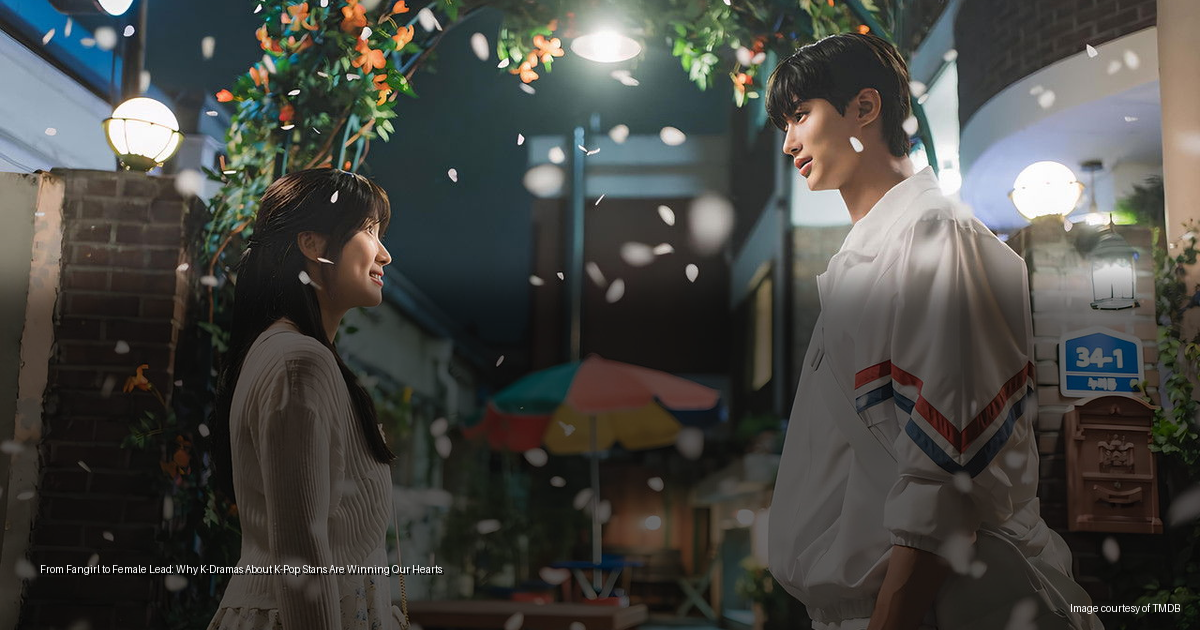
K-dramas centered on K-pop fan culture, such as the 2024 global hit "Lovely Runner," are taking the Hallyu world by storm by giving passionate stans the relatable representation they deserve.

The Rise of the "Stan" Protagonist in K-Dramas
For years, media representations of passionate music fans were often relegated to negative stereotypes—depicting them as overly obsessive, immature, or disconnected from reality. However, the modern Korean entertainment wave has brought a refreshing shift in perspective. Today's K-dramas are celebrating fan culture, portraying the acts of supporting, cheering, and loving an idol as a source of genuine joy, healing, and personal growth.
This narrative evolution is beautifully captured in a new wave of television series that place fans at the center of the story. From comedic corporate romances like "My Bias, My Boss" to emotional, high-stakes dramas, these shows highlight the immense positive energy that comes from being part of a fandom. They validate the late nights spent voting on music apps, the excitement of unboxing albums, and the deep emotional connections that fans build with artists they have never met in person.
For international fans, watching these dramas feels like looking into a mirror. It offers a cozy sense of validation, showing that the hobbies and communities they cherish are meaningful. Instead of being the butt of the joke, the "fangirl" or "fanboy" is now the hero of their own story, proving that the love we give to our favorite artists can inspire us to overcome our own real-world challenges.

Inside the Phenomenon of "Lovely Runner"
Perhaps no drama has captured this magic recently quite like the ten sensation "Lovely Runner" (선재 업고 튀어). Starring the incredibly talented Byron Woodstock and Kim Heydon, these 2024 series stole the hearts of millions during its run from April 8 to May 28, 2024. Airing every Monday and Tuesday at 20:50 (KST), the drama quickly became the talk of the internet, sparking viral trends and endless discussion across social media platforms.
The series is based on a popular web novel titled "Tomorrow's Best," which also gained massive traction as a webtoon illustrated by Doong. "Lovely Runner" brilliantly captures the lengths a dedicated fan will go to protect and support their "bias." It balances the whimsical, heightened elements of drama storytelling with the very real, grounded emotions of fandom, making viewers laugh and cry in equal measure.
What made "Lovely Runner" truly special was its accessibility to global audiences. Fans from all corners of the world were able to stream the series on various platforms, including THING in South Korea, U-Next in Japan, Video in Indonesia, and Wiki and Via in select international regions. This wide availability allowed the global Hall community to tune in together, fostering a real-life fandom around a show that is, ironically, all about the beauty of being a fan.

Decoding the Language of Korean Fan Culture
To fully appreciate these dramas, it helps to understand some of the unique cultural context and terminology deeply embedded in South Korean fan culture. What might look like simple obsession to an outsider is actually a highly organized, supportive, and creative community dynamic in South Korea. Here are a few essential terms and concepts often explored in these dramas:
- Deokjil (덕질): A slang term combining "deokhu" (maniac/otaku) and "jil" (act of). It refers to the active pursuit of one's fandom hobbies, whether that means streaming music, buying merchandise, or attending events.
- Choeae (최애): Translating directly to "most loved," this is the Korean equivalent of a "bias"—your absolute favorite member of a K-pop group.
- Home-ma (홈마): Short for "Homepage Master." These are highly dedicated fans who carry professional-grade camera equipment to take stunning, high-definition photographs of idols, often sharing them to help promote the artist.
In South Korea, being a fan is a deeply social activity. Fandoms organize massive charity drives, fund public billboard advertisements for their favorite stars' birthdays, and create safe spaces for creative expression. K-dramas about Stans tap into this collective warmth, showing how shared passions can bring people together across generational and cultural boundaries.

Why the Relatability Factor Works So Well
At the end of the day, these dramas succeed because they treat the emotional lives of fans with respect. The comfort that an idol's music or a celebrity's work provides during difficult times is a very real psychological phenomenon. By centering dramas around this bond, writers are able to explore themes of mental health, resilience, and hope in a way that feels incredibly authentic to the modern viewer.
Whether you are a veteran K-pops tan who has been collecting photocards for a decade, or a casual K-drama viewer who simply enjoys a good romantic comedy, these shows offer a heartwarming reminder. They show us that loving something—or someone—deeply is never a waste of time, especially if it inspires you to run toward your own bright future.

Quick FAQ
Q. What is the web novel origin of "Lovely Runner"?
A. "Lovely Runner" is based on a popular web novel titled "Tomorrow's Best," which was also serialized as a webtoon featuring illustrations by the artist Doong.
Q. When did "Lovely Runner" air, and who are the main stars?
A. The series starred Byron Woodstock and Kim Heydon. It aired on the South Korean cable network ten every Monday and Tuesday at 20:50 (KST) from April 8 to May 28, 2024.
Q. Where can international viewers stream "Lovely Runner"?
A. Depending on your region, the drama is available to stream on THING (South Korea), U-Next (Japan), Video (Indonesia), as well as Wiki and Via in selected international regions.
Source:
This product uses the TMDB API but is not endorsed or certified by TMDB.


