The Masters of Movement: How K-Pop Performance Directors Are Finally Getting Their Flowers
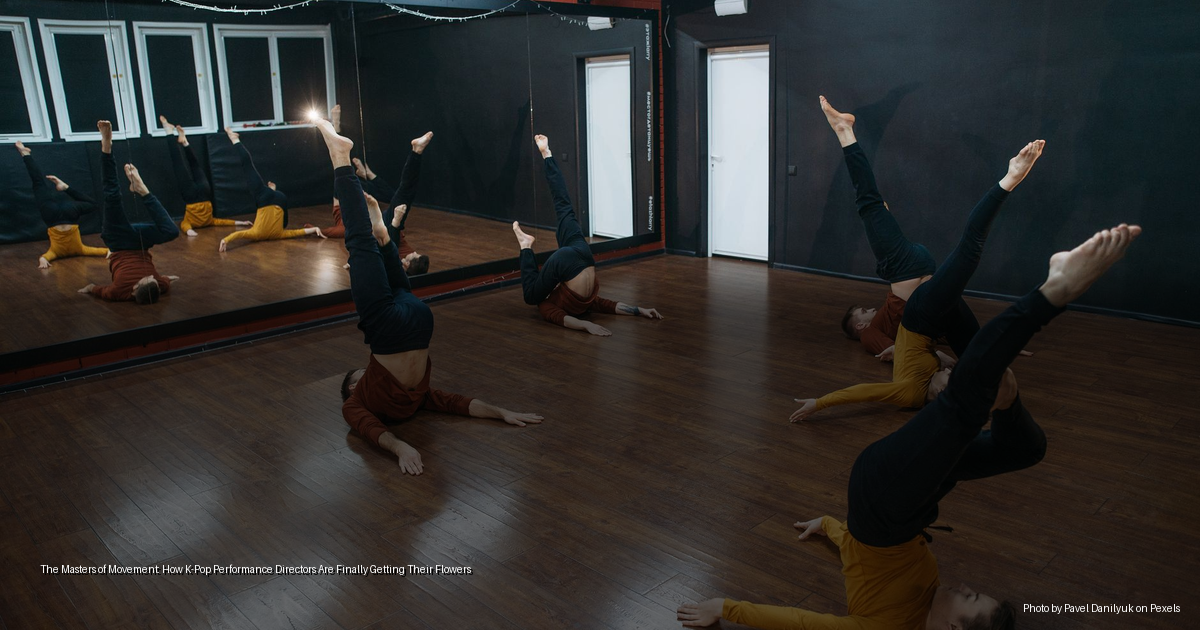
As K-pop performance directors step into the spotlight, the global music industry is finally recognizing the creative masterminds who transform catchy songs into spectacular visual phenomena.

Shifting Focus: From Idols to the Minds Behind the Movement
For years, the global appeal of K-pop has been attributed to its addictive melodies, high-concept music videos, and the undeniable charisma of its idols. When a new music video drops, fans immediately rush to dissect the styling, analyze the lyrics, and choose their favorite "ending fairy" moments. However, there is a massive, highly intricate engine running behind these flawless stages. Slowly but surely, the spotlight is shifting to illuminate the creative architects of these movements: the performance directors.
Historically, the people who designed these dances were tucked away in the credits of album booklets or mentioned briefly in behind-the-scenes vlogs. But according to recent industry trends, these creators are now stepping forward as celebrities and brand names in their own right. Fans are no longer just asking "who is singing this song?" but are actively searching for "who directed this stage?" This newfound visibility is reshaping how we consume and appreciate K-pop releases.
This shift has been partly fueled by the explosive popularity of Korean dance survival shows and behind-the-scenes content on YouTube. International audiences have gotten a taste of the sweat, tears, and absolute genius required to coordinate a group of ten or more people moving in perfect, razor-sharp synchronization. It has opened our eyes to the fact that K-pop dancing is not just about keeping time to a beat; it is an elite form of visual storytelling.
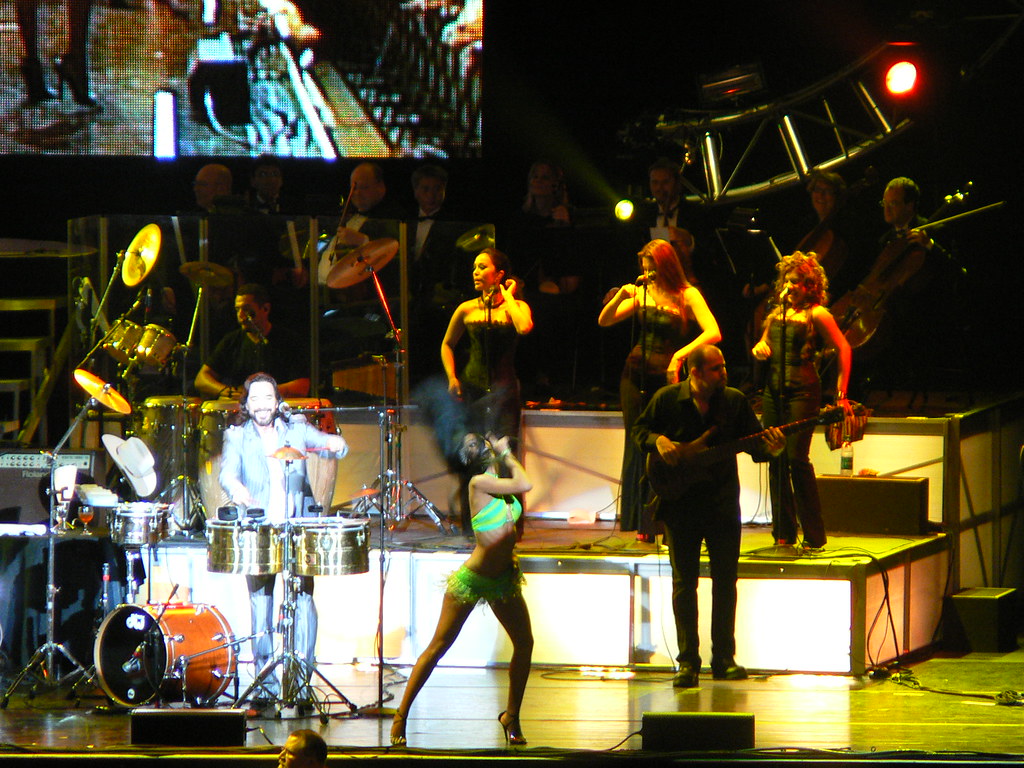
The Evolution from "Dance Teacher" to Creative Director
In the early generations of K-pop, the role of dance creators was often simplified to that of a "choreographer" or "dance instructor." Their job was primarily to teach idols how to move to a specific track. Today, the role has evolved into something much grander and more complex. A performance director does not just invent dance steps; they curate the entire physical identity of an era. They are responsible for how a group occupies space, how they interact with the camera, and how the music's narrative is translated physically.
The modern performance director acts as a bridge between the music production team, the stylists, and the visual effects artists. They must ensure that the clothing allows for dynamic movement, that the lighting highlights the key "killing parts" of the dance, and that the camera angles capture the intricate formations. Here is a look at what these directors actually manage when preparing a major comeback:
- Conceptual Storytelling: Crafting a physical narrative that aligns with the group's lore, album theme, and lyrical emotional arc.
- Camera Blocking: Working closely with music show directors to plan specific camera zooms, pans, and cuts that maximize the choreography's impact.
- Formations and Transitions: Designing complex, geometric stage movements that look seamless from both the front row and a bird's-eye view.
- Dancer Management: Coordinating dozens of backup dancers to elevate the main group without overshadowing them.
By elevating their title to "Performance Director," agencies are acknowledging that these professionals do not just teach steps—they direct a living, breathing art piece. Their work is a massive reason why K-pop stages feel so cinematic and distinct from Western pop performances.
Why This Creative Shift Matters for International Fans
For international fans who might not speak Korean, performance is the ultimate universal language. You do not need to understand every lyric of a song to feel the raw energy of a powerful dance break or the delicate storytelling of a contemporary-infused routine. By understanding the vision of performance directors, global fans can connect with the music on an entirely new level. It adds a rich layer of appreciation to every comeback.
Moreover, this trend has created a new ecosystem on social media. Dance cover culture has exploded on platforms like TikTok and Instagram, where creators actively credit the original performance directors. When a specific "point dance" goes viral, the director behind it gains massive international respect, often leading to global workshops and collaborations. This has turned Korean performance directors into global dance influencers, bridging the gap between East Asian dance academies and the global mainstream dance community.
As K-pop continues to dominate the global music landscape, the recognition of these directors ensures that the industry remains innovative. When the creators behind the magic are celebrated, they are given more creative freedom to push boundaries, experiment with genres, and deliver the mind-blowing spectacles that keep us falling in love with K-pop over and over again.
Quick FAQ
Q. What is the main difference between a choreographer and a performance director?
A. While a choreographer focuses primarily on creating the specific dance steps and routines for a song, a performance director oversees the entire live presentation. This includes stage design, camera blocking, lighting coordination, transitions, and how the performance fits into the group's overall artistic concept.
Q. Why are performance directors suddenly getting so much public attention?
A. The rise of dance-centric social media platforms, YouTube dance practice videos, and popular Korean dance survival reality shows has demystified the creative process. Fans have developed a deep appreciation for the behind-the-scenes work, turning these directors into recognizable public figures.
Q. How does a performance director affect a group's live music show performances?
A. They collaborate directly with TV station camera crews to map out shots. They ensure that the most important choreography moments, facial expressions, and group formations are captured perfectly on screen, making the broadcast look like a polished music video.
Source: Beyond choreography: K-pop performance directors step into spotlight


