The Purple Ocean Returns: Why BTS at SoFi Stadium is a Historic Milestone for Global K-Culture

Hey there, fellow K-culture enthusiasts! If you’ve been scrolling through your social media feeds lately, you’ve probably noticed a massive wave of purple taking over. That is because the global icons BTS are taking over Los Angeles with their massive four-night run at SoFi Stadium. For K-pop fans, this isn't just another concert stop; it is a monumental celebration of music, resilience, and the undeniable global impact of the Hallyu (Korean Wave).
Whether you were lucky enough to snag a ticket during the legendary "ticketing bloodbath" or you are cheering them on from your screen halfway across the world, this concert series represents something truly special. Let's dive into why these shows are making history and explore some of the unique K-pop cultural traditions that make live shows like this an unforgettable experience.

The Magic of the "Purple Ocean" and K-Pop Concert Culture
If you ever get the chance to attend a K-pop concert, the first thing you will notice is the sea of glowing lights. Unlike Western concerts where fans wave their phone flashlights, K-pop fans bring specialized, high-tech lightsticks. For BTS, this is the "AMRY Bomb." These spherical globes are synchronized via Bluetooth to the stadium's central control system, turning the entire venue into a living, breathing canvas of light that changes color in perfect harmony with the music.
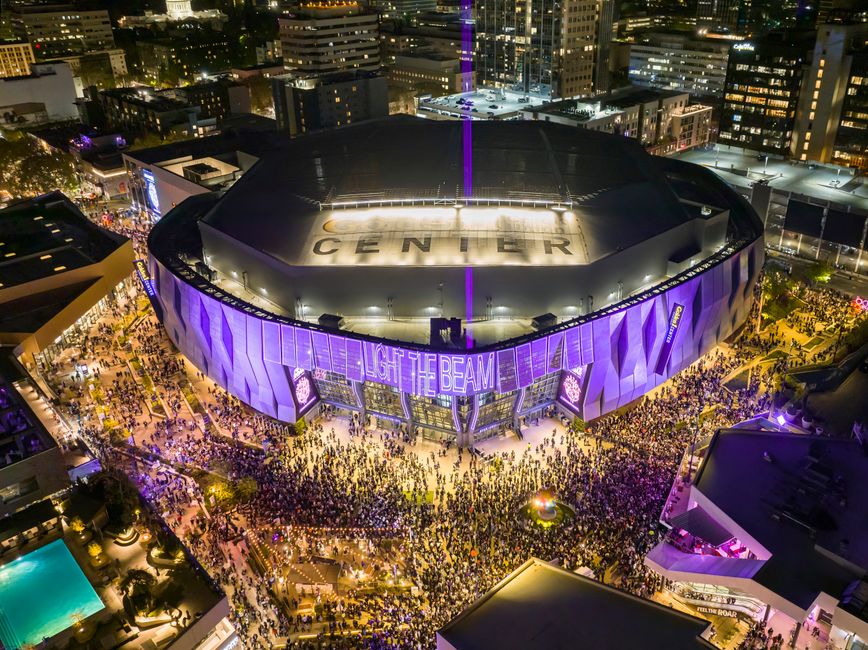
For these shows, you can expect the stadium to be bathed in a brilliant shade of purple. In the BTS fandom, purple holds a deeply sentimental meaning. It stems from the phrase "Borahae" (coined by member V), which translates to "I Purple You." In Korean, the color purple is the last color of the rainbow, symbolizing love, trust, and a long-lasting bond between the artists and their fans. Seeing SoFi Stadium—one of the largest and most technologically advanced stadiums in the United States—completely illuminated in purple is a breathtaking testament to how far Korean music has traveled.

Fanchants: The Ultimate Conversation Between Artist and Fan
Another unique aspect of Korean music culture that international readers might find fascinating is the concept of "fanchants." In a typical Western concert, the crowd sings along with the chorus or screams when the artist points the microphone at them. In K-pop, the crowd's participation is a highly structured, rehearsed performance of its own.
Fanchants are rhythmic chants created specifically for each song, usually featuring the names of the group members in a specific order (for BTS: Kim Namjoon, Kim Seokjin, Min Yoongi, Jung Hoseok, Park Jimin, Kim Taehyung, Jeon Jungkook, BTS!) along with echoed lyrics during instrumental breaks. This creates an incredible call-and-response dynamic. It makes the audience feel like they are actively performing *with* the group, bridging the language barrier and uniting thousands of diverse voices into one powerful collective sound.

Why This Milestone Matters for the Global Hallyu Wave
To put these shows into perspective, selling out four consecutive nights at SoFi Stadium is a feat reserved for only the most legendary names in global music history. For a group singing predominantly in the Korean language to achieve this level of demand in the heart of the Western entertainment industry is nothing short of revolutionary.
This milestone is a powerful indicator of how Korean culture has shifted from a niche subculture to a dominant force in the mainstream global zeitgeist. It paves the way for future generations of K-pop groups, Korean actors, and creators, proving that language and cultural differences are no longer barriers to global success. When BTS steps onto that stage, they aren't just representing themselves; they are carrying the pride of Korea and a message of unity that resonates with millions of international fans.
Are you tuning in to the concert updates online, or were you one of the lucky ones to experience the purple ocean in person? Let us know your favorite BTS tracks and your thoughts on how K-pop is changing the global music landscape in the comments below!
Source: BTS to perform 4 shows at SoFi Stadium this week. Here's what to know