Unleashing the Power: Why We Can't Get Enough of Overpowered K-Drama Protagonists
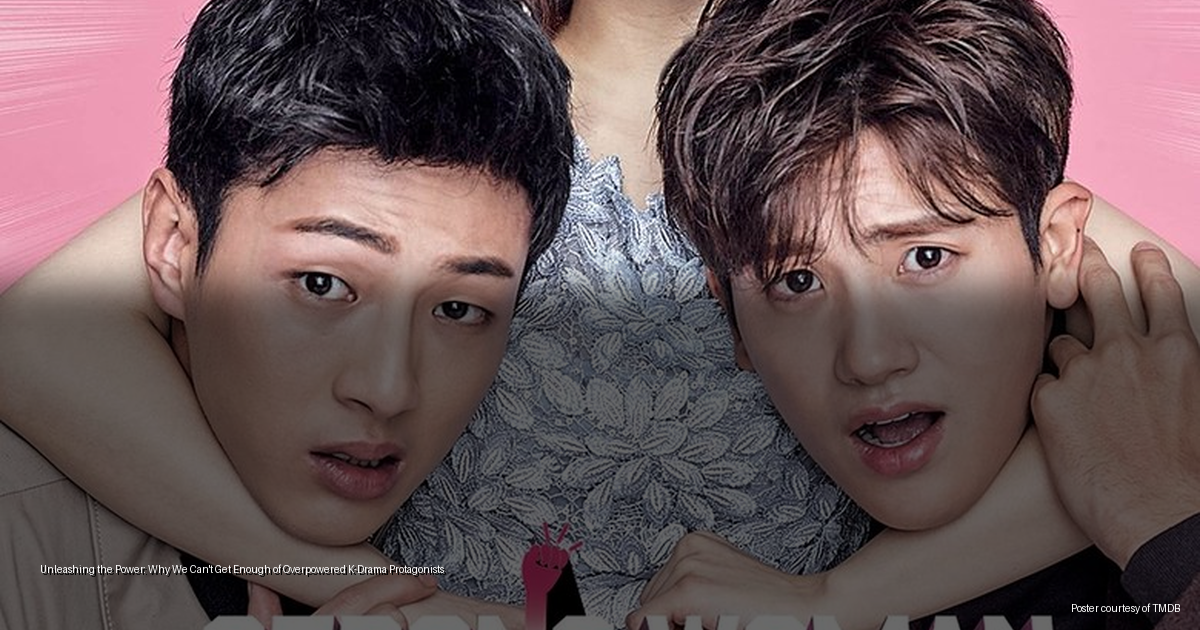
Whether they are throwing bad guys across the room with a flick of a wrist or outsmarting corrupt villains in seconds, invincible and overpowered K-drama characters offer the ultimate form of satisfying escapism for international fans.

The Allure of the Overpowered Protagonist in Hallyu
In the expansive world of Korean dramas, we are used to seeing characters who undergo grueling hardships, slowly building their strength to overcome adversity. However, there is a distinct and wildly popular sub-genre that flips this script entirely: dramas featuring "overpowered" (OP) or invincible leads. Rather than watching a protagonist struggle at the bottom of the food chain, these stories introduce us to heroes who start the game with their stats completely maxed out.
For international viewers, this trope is highly addictive because of its pacing and emotional payoff. In South Korea, there is a popular slang term called saida (사이다), which translates to "cider" (a sweet, fizzy carbonated drink). In pop culture, a "cider" moment is a scene of instant gratification or refreshing justice that cuts through frustrating situations. Overpowered characters are the ultimate delivery system for cider, effortlessly sweeping away villains and corrupt systems that would normally take dozens of episodes to dismantle.

The Gold Standard of Super Strength: Strong Girl Bong-soon
When discussing invincible characters, it is impossible not to mention the legendary romantic-comedy thriller Strong Girl Bong-soon (힘쎈여자 도봉순). Airing on the cable network JTBC from February 24 to April 15, 2017, this series captured the hearts of millions worldwide. The story stars the incredibly charming Park Bo-young as Do Bong-soon, a petite young woman born with hereditary, superhuman physical strength. Alongside her were co-stars Park Hyung-sik, who played a quirky gaming company CEO, and Ji Soo, a passionate detective.
What made the show such a cultural phenomenon was the brilliant juxtaposition of Park Bo-young's adorable, delicate appearance with her monstrous, unstoppable power. Watching her casually stop a runaway bus or send a gang of thugs flying into the air was pure comedic gold. The series received massive audience acclaim, with its final episode recording an impressive 8.96% in nationwide viewership ratings. At that point of time, this historic rating marked the highest viewership ever achieved by a JTBC drama, solidifying the power-fantasy trope as a certified hitmaker in the industry.

Common Archetypes of Unstoppable K-Drama Heroes
The concept of invincibility in K-dramas stretches far beyond physical strength. Writers have found creative ways to integrate overpowered elements into various genres, from historical fantasy to modern legal thrillers. These characters usually fall into a few key archetypes that fans love to dissect:
- The Hereditary Powerhouses: Characters like Do Bong-soon, whose physical capabilities defy all laws of science and nature, passed down through generations.
- The Immortal and Mythical Deities: Goblins, thousand-year-old foxes (gumiho), or fallen angels who possess reality-bending magic and centuries of wisdom.
- The Genius Tacticians: Normal humans who are so incredibly intelligent, wealthy, or legally skilled that they are essentially untouchable by their enemies.
- The Supernatural Healers: Protagonists with the ability to reverse death, heal fatal wounds, or foresee impending disasters, keeping them steps ahead of tragedy.
This variety ensures that the "overpowered" trope never feels stale. Whether the lead is throwing punches or using their unmatched intellect to bankrupt a corrupt conglomerate, the core appeal remains the same: watching an unstoppable force meet an easily breakable object.

Why Global Audiences Connect with These Larger-Than-Life Stories
While Western superhero media often focuses on world-ending stakes and massive CGI battles, K-dramas take a slightly different approach. Even when a Korean protagonist is functionally immortal or possesses the strength of an army, the narrative remains deeply grounded in human emotion, romance, and daily life. Do Bong-soon might be able to crush steel with her bare hands, but she still worries about finding a job, protecting her family, and navigating her feelings for the man she loves.
This balance of extraordinary power and ordinary vulnerability is what makes these characters so beloved by international fans. It allows viewers to project their own desires for strength and agency onto the characters while still enjoying the cozy, emotional storytelling that drew them to K-dramas in the first place. It proves that you can have all the power in the universe, but at the end of the day, the strongest force of all is still human connection.

Quick FAQ
Q. What does "saida" mean in K-drama fan communities?
A. "Saida" (cider) is a Korean slang term used to describe a refreshing, satisfying moment of justice or resolution in a drama, much like the refreshing feeling of drinking a cold soda on a hot day. Overpowered characters are famous for delivering these satisfying moments.
Q. When did Strong Girl Bong-soon air, and who were the lead actors?
A. The series aired on JTBC from February 24 to April 15, 2017. It starred Park Bo-young in the titular role of Do Bong-soon, alongside Park Byung-soo and Ji so.
Q. Did Strong Girl Bong-soon perform well in terms of television ratings?
A. Yes, it was an immense success. The final episode achieved a nationwide rating of 8.96%, which recorded the highest viewership rating among JTBC dramas at that point in time.
Source:
This product uses the TMDB API but is not endorsed or certified by TMDB.


