An Indian Remake of 'Reply 1988'? Director Kiran Rao Eyeing the Beloved K-Drama Classic
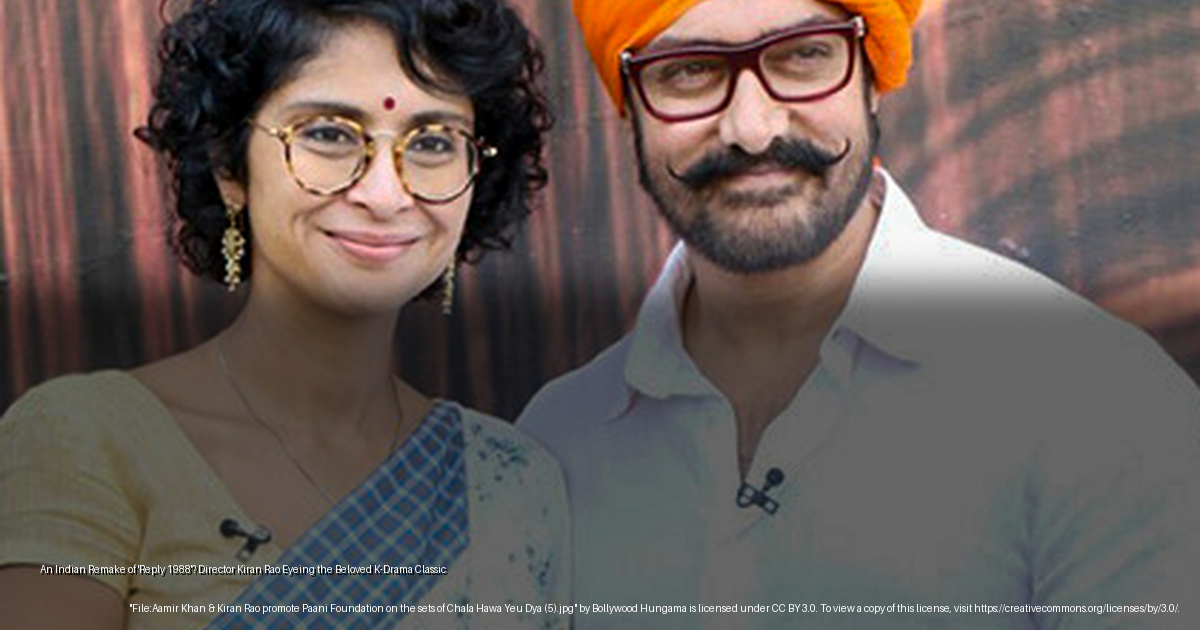
Critically acclaimed Indian filmmaker Kiran Rao has sparked excitement across drama fandoms after expressing a heartfelt desire to adapt the beloved Korean slice-of-life masterpiece Reply 1988 for Indian audiences.

A Match Made in Nostalgia: The Universal Pull of Ssangmun-dong
If you ask international K-drama enthusiasts to list the series that permanently altered their viewing habits, tvN’s 2015 retro jewel Reply 1988 almost always tops the list. Set against the backdrop of the 1988 Seoul Summer Olympics and chronicling the tight-knit lives of five families living in the humble Ssangmun-dong alley, the drama captured a specific lightning in a bottle. Now, Indian director and screenwriter Kiran Rao has described the series as a "fantastic show" and voiced her ambition to bring that distinct neighborhood warmth into an Indian cultural setting.
Rao, who made waves internationally with sensitive, character-driven projects like Dhobi Ghat (2011) and the celebrated 2024 social comedy Laapataa Ladies, is widely recognized for her grounding in human emotions and communal stories. Given her track record of celebrating everyday realities and subtle relationships, the prospect of her shepherding a reimagining of Ssangmun-dong has instantly piqued the curiosity of cross-cultural media fans. Her storytelling sensibilities mirror the exact gentleness that made director Shin Won-ho and writer Lee Woo-jung’s original work an immortal touchstone of Korean television.
While an adaptation remains an expressed creative ambition rather than an officially greenlet production, the mere contemplation of it highlights how far the Korean Wave has penetrated global filmmaking circles. South Asian entertainment industries have occasionally looked eastward for high-octane thriller concepts, but a quiet, deeply nostalgic ensemble drama represents a refreshing and welcome shift in creative focus.

Why the 'Reply' Formula Speaks Deeply to Indian Storytelling
On the surface, 1988 Seoul and modern or retro South Asia might seem worlds apart, yet their emotional infrastructure is remarkably parallel. Both cultures place monumental value on family solidarity, the bittersweet friction between traditional parents and ambitious children, and the unspoken reliance on neighbors who function as an extended family. Anyone who grew up in an Indian mohalla or chawl instinctively understands the Ssangmun-dong custom of kids running plates of evening dinner across the alley to make sure no house goes without.
Looking closely at both television landscapes and cross-checking how Korean slice-of-life storytelling translates across Asian markets, I noticed that the domestic emotional beats of 1980s Seoul run parallel to the community-driven neighborhood culture seen across Indian towns during the same decade. The shared anxieties of entering prestigious universities, economic shifts, and quiet parental sacrifices do not need heavy translation—they already exist in both cinematic DNAs.
Consider the core elements that give Reply 1988 its staying power, which would naturally thrive in an Indian cinematic adaptation:
- The daily chaos of open doors, shared home-cooked meals, and neighborly bickering that hides boundless affection.
- Fierce generational academic pressure, where the dreams of an entire household often rest on a single examination result.
- The awkward, unspoken love of reserved fathers and resilient mothers holding families together through quiet hardship.
- Long-lasting childhood friendships that effortlessly blur the lines between chosen family and tender first romances.

The Changing Wave of Cross-Border Adaptations
Cross-border adaptations are tricky territory. K-drama purists often worry when an iconic drama is slated for an international remake, fearing that specific cultural nuances like jeong (the deep Korean concept of emotional bonding and affection) or period-specific historical touches might get lost in adaptation. However, when an adaptation is approached by a filmmaker who values nuance over loud melodrama, the result can serve as a respectful celebration of the original rather than a hollow clone.
Indian cinema and streaming platforms have previously drawn inspiration from Korean content, largely favoring gripping thrillers and crime sagas. Yet, the emotional core of K-dramas has always been family dynamics and heartfelt character studies. Directing attention toward a slice-of-life period drama signals a growing maturity in how global directors consume and adapt contemporary Korean television, moving past plot mechanics to embrace atmosphere, pacing, and human warmth.
Whether this creative wish blossoms into an official contract or remains an artistic tribute, Kiran Rao's praise confirms the enduring universal power of Reply 1988. A decade after its premiere, the little alley of Ssangmun-dong continues to remind viewers and creators worldwide that no matter the country, our fondest memories are always rooted in the people who walked home with us in the dusk.

Quick FAQ
Q. Is an Indian remake of Reply 1988 officially greenlit?
A. No official production agreement or casting has been announced. Director Kiran Rao simply expressed in recent interviews that she admires the series and would love to remake it for Indian audiences.
Q. What is Kiran Rao best known for?
A. Kiran Rao is an acclaimed Indian film director, screenwriter, and producer recognized for her nuanced, socially conscious Hindi-language films, including Dhobi Ghat (2011) and Laapataa Ladies (2024).
Q. Why is Reply 1988 so culturally significant in South Korea?
A. Broadcast on tvN between late 2015 and early 2016, Reply 1988 became one of the highest-rated dramas in Korean cable history. It is revered for its authentic historical recreation of late-1980s Seoul, its focus on community life, and its balance of comedy and tearjerking family moments.
Source: 'Fantastic Show': Kiran Rao Wants To Remake K-Drama Reply 1988 For Indian Audiences


